Ethical Sourcing and Quality: How to Evaluate Cashmere Without Compromise
A practical guide to understanding cashmere ethics, certifications, and factors that signal true quality. Learn how to spot responsible sourcing and distinguish genuine luxury from misleading claims, with expert-backed tips.
Published September 24, 2026
In a world where fabric stories are as important as fashion statements, cashmere sits at a gilded crossroads of luxury, lineage, and the ethics of animal welfare. When you encounter a cashmere sweater described as “premium,” do you know what to look for beyond soft hands and a flattering drape? This guide dives into the heart of ethical sourcing and quality assessment, arming you with practical steps, industry-backed certifications, and insights from historically diverse voices who have shaped fabric storytelling across eras.
Understanding the ethical baseline: certifications that matter
Ethical sourcing in cashmere begins with visibility. Certifications provide a framework for accountability, offering shoppers a language to compare claims, rather than rely on vibes or marketing hype. Three standards repeatedly emerge at the intersection of transparency and trust:
- GOTS (Global Organic Textile Standard) — While widely associated with organic cotton, GOTS also applies to cashmere garments that incorporate organic fibers and adhere to strict social criteria and environmental management throughout processing. It signals organic origins and responsible handling from farm to finished piece.
- Fair Trade — Focused on fair labor conditions, wages, and safe working environments. A Fair Trade certification for cashmere items indicates the brand is committed to fair labor practices across the supply chain, from fiber sourcing to final assembly.
- Responsible Down Standard (RDS) — Although primarily linked to down products, RDS principles influence broader certification conversations around animal welfare and humane treatment in textile supply chains. For cashmere, this translates into a broader expectation of welfare-conscious farm and processing practices and a brand’s willingness to disclose supplier standards.
Beyond these, look for traceability narratives. Brands that provide origin stories for the cashmere fibers, often down to the individual herd or village, demonstrate a commitment to accountability. Traceability helps ensure that the luxurious hand you enjoy comes from a system designed to protect animal welfare, workers, and the environment.
What quality cashmere actually feels and looks like
Quality cashmere is more than a soft touch. It’s a science of fiber composition, fineness, and fiber length, measured against the texture you expect when you pull a sweater over your head or tuck a scarf around your neck. Here are the key signals to assess in person or via trusted product specifications:
- Fiber diameter — True cashmere fibers are incredibly fine. The finer the fiber diameter, the smoother and lighter the garment tends to feel against the skin. Common benchmarks describe microfilaments in the 14-16 microns range for premium cashmere, with consistent diameter contributing to a uniform feel.
- Fiber length and staple integrity — Longer fibers generally translate to stronger, more durable fabric with less pilling. Shorter fibers are more prone to fuzz and wear. A well-made cashmere blends or a single-origin fiber often balances these attributes for longevity.
- Tissue density and weave — A high-quality cashmere knit or weave will present even density without thin spots. The fabric should hang with fluid drape, not collapse under its own weight. A dense, well-constructed knit resists pilling and maintains shape after washing and wear.
- Blends with purpose — Some blends (e.g., cashmere with merino, silk, or modal) can enhance warmth, luster, or durability. The blend ratio matters: too much of a stiff fiber can obscure the plush character cashmere promises.
- Finish and handling — Look for even luster, no obvious cashmere fuzzing around edges, and consistent color across the garment. Subtle finishing touches like rolled hems or refined bindings can signal thoughtful construction.
When evaluating blends, approach with a practical mindset: blends can be excellent quality, but you should be able to articulate why a blend exists—whether for weight, warmth, or drape—and verify those claims with the brand’s sourcing notes or lab results where possible.
Practical evaluation steps for shoppers
To make smarter choices, follow a clear sequence that blends at-home tests with brand inquiries. This three-step approach helps you separate genuine luxury from marketing gloss:
- Ask the right questions — Inquire about fiber origin, farm practices, and processing steps. Questions to include: Where does the cashmere come from? How is welfare addressed at the herd and yarding stages? Which certifications apply to this product, and can you share third-party verification reports?
- Check the fiber and finish details — Request fiber diameter range, staple length, and a breakdown of any blends. Inspect the knit’s density, seam finishes, and edge bindings. A high-quality product should reveal precision in stitching and a deliberate design language that emphasizes durability as much as softness.
- Test for authenticity and care requirements — Simple at-home checks can reveal care needs, such as hand-wash vs. machine-wash suitability. Pure cashmere rarely behaves like typical cotton or synthetic blends; it may require delicate handling to retain softness and loft. If a garment promises machine wash, look for reassurance about fiber resilience and recommended care cycles.
Myth-busting time: the idea that “all cashmere is the same” is a myth as old as the market itself. Quality varies by origin, fiber diameter, animal welfare standards, and craftsmanship. The price tag alone is not a universal indicator of ethics or durability. By combining certification signals with transparent origin stories, you can separate brands that merely ride the cashmere wave from those building lasting legacies around responsible sourcing and superior knitwear.
Three iconic voices through time: perspectives on cashmere and ethics
The history of cashmere is a tapestry woven by cultures, markets, and the timeless pursuit of soft warmth. Here are three influential voices—each from a distinct era—that illuminate how people have engaged with cashmere, its origins, and its ethics.
1) The Silk Road Era Poet-Trade Partner (late 18th – early 19th century)
A historical lens on cross-cultural exchange and the early commodification of luxury textiles.
This voice reminds us that cashmere’s romance was born from trade routes that connected Kashmir with global markets long before modern branding. The philosophy of ethical sourcing emerges here as a quiet standard: communities along traditional supply chains maintained relationships with herders, spinners, and weavers—an early blueprint for trade-based ethics that informs today’s traceability narratives.
2) The Industrial-Era Textile Scientist (mid-20th century)
A proponent of fiber science and quality metrics that transformed production.
This voice foregrounded the idea that quality could be measured: fiber diameter, length, and fabric construction became a language that buyers could understand. It laid groundwork for modern standards that brands now reference—helping consumers parse the difference between a plush feel and a truly durable, ethically sourced garment.
3) The Contemporary Sustainability Advocate (present day)
A champion for transparent supply chains, animal welfare, and climate-aware production.
This voice ties together ethics, certification ecosystems, and consumer education. It emphasizes the need for robust traceability, fair labor practices, and environmental stewardship—principles that modern brands must weave into every stage of cashmere’s journey from animal to wardrobe.
Integrating ethics with everyday luxury: how to choose confidently
Ethical sourcing is not solely about acquiring a product with a certificate. It’s about aligning your purchase with a narrative that respects animals, communities, and ecosystems. The most convincing cashmere stories interweave three ingredients: origin clarity, transparent processing, and a brand’s ongoing commitment to social and environmental responsibility.
To help you navigate these waters, here are practical signals that distinguish responsible sourcing with real depth from glossy claims:
- Origin clarity — The brand can trace cashmere to specific farms, regions, or cooperatives, with documentation available upon request or via a dedicated reporting page.
- Processing transparency — Brands disclose how the fiber is cleaned, carded, dyed, and finished. A transparent supply chain reduces the risk of unethical practices and helps you assess environmental impact at each stage.
- Long-term commitments — Beyond certifications, a brand demonstrates ongoing supplier audits, continuous improvement plans, and community programs that benefit herders and workers across the supply chain.
Real luxury is not merely the lure of cashmere’s softness; it’s the confidence that your purchase respects the people and places that make it possible. This is ethical shopping as a refined act of care—care for the wearer, the makers, and the world we share.
A curated product example that echoes ethical craftsmanship
To illustrate how ethical sourcing and quality can converge in a tangible item, below is a representative product from a contemporary line that embodies transparent materials and thoughtful design. While exploring cashmere, we also consider complementary fabrics and textiles that demonstrate responsible production landscapes across categories.
Cordillera Sweater
Luxuriously soft 80% alpaca and 20% silk knit, Peru-made.
Cordillera is crafted in Peru from a premium alpaca-silk blend, offering a relaxed silhouette and breathable warmth. The fibers are sourced from farms with animal welfare considerations, and the knit showcases a refined handfeel and durability suitable for everyday luxury.
Materials: 80% alpaca, 20% silk
Origin: Peru
Care: Non-toxic, free from synthetics and harsh chemicals
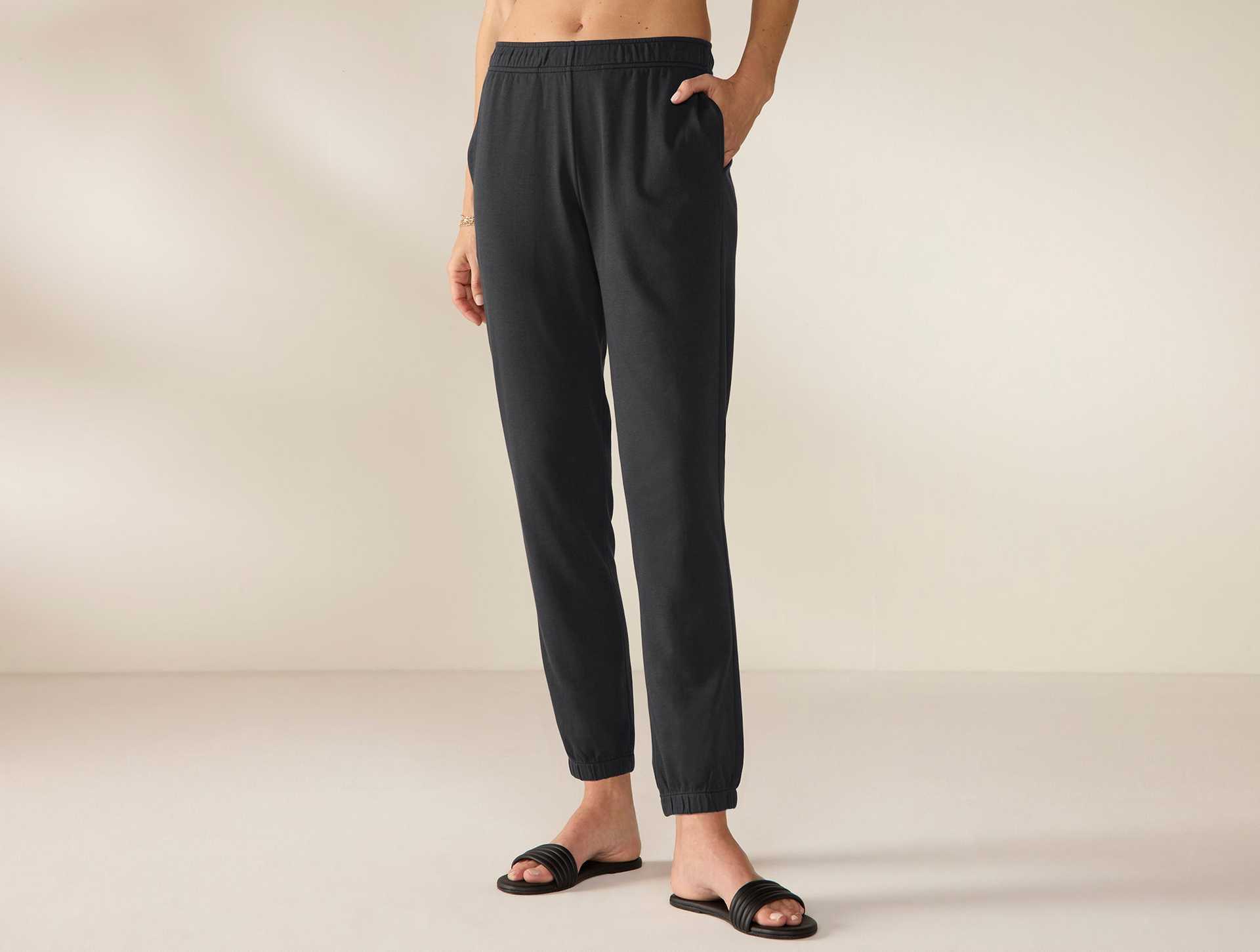
Womens Pima Organic Knit Jogger
GOTS-certified, 100% organic Pima cotton knit jogger from Peru.
This jogger embodies everyday comfort with a mindful approach to organic farming and fair labor practices. It’s a versatile piece that mirrors how responsibly sourced materials translate into wearable, practical fashion staples.
Putting it into practice: a quick-start checklist
- Always review certifications and request third-party verification reports where possible.
- Ask brands to detail fiber origins and processing steps, including welfare and environmental safeguards.
- Consider the value of traceability narratives and how they align with your ethical standards.
- When in doubt, favor brands with transparent supply chains and long-term commitments to workers and ecosystems.
Final thoughts: shopping with intention
Cashmere remains a symbol of understated luxury that can be embraced responsibly. The best experiences of cashmere—its warmth, softness, and elegance—are multiplied when you know the fabric’s story. This guide aims to empower you to enjoy the beauty of cashmere without compromising your values. By anchoring your choices in certifications, transparent origin narratives, and a discerning eye for quality, you can cultivate a wardrobe of cashmere pieces that are as trustworthy as they are exquisite.