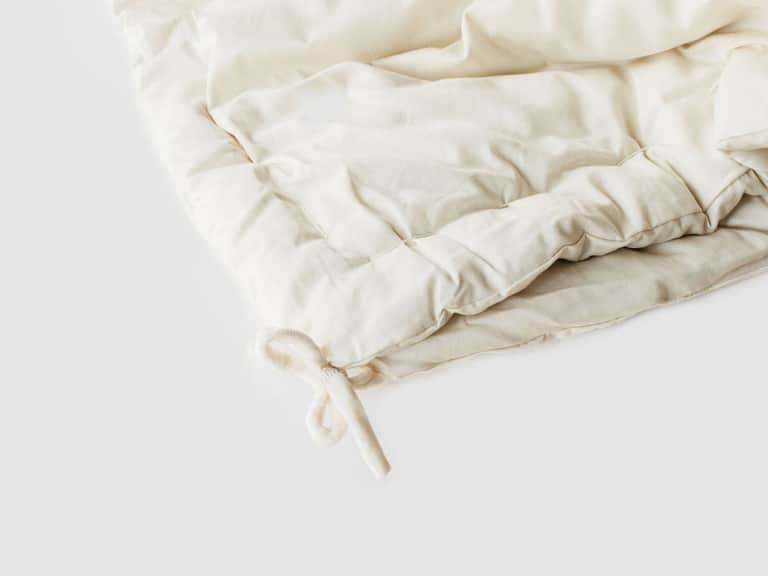
Comforters form a practical bedding layer that combines warmth, weight, and fabric quality to regulate overnight comfort. In the context of cashmere influences and wool blends, these items often balance insulation with breathability, reducing heat buildup while preserving coziness. Key considerations include fill type, fabric weave, and seasonal versatility for a restful sleep environment.
Understanding the Sleep and Beyond myMerino Wool Comforter helps illustrate how premium fibers impact warmth and moisture management. Merino wool naturally wicks moisture, adapts to temperature, and remains soft to the touch. Such characteristics support stable body temperature and skin comfort, particularly in varied climates or sleepers prone to night sweats.
The Cardigan Duvet demonstrates how fabric construction and aesthetic design meet functional needs. It typically features a durable outer shell with a plush interior, providing insulation without excessive bulk. For multi-season use, effective weave density and fiber balance contribute to durability, ease of care, and long-term comfort in daily bedroom routines.
All-Season Wool Comforter exemplifies versatility across temperature ranges by combining wool fibers with strategic loft and fill weight. Wool’s natural odor resistance and moisture control can contribute to a cleaner sleeping environment. When selecting an all-season option, consider warmth-to-weight ratio, loft recovery, and how it complements other bedding layers.
In evaluating comforters for bedding and nursery settings, prioritize fiber origin, fill power, fiber blend, and care requirements. Product features such as temperature regulation, hypoallergenic potential, and machine-washability influence usability and longevity. Meta keywords to consider include bedding, nursery, comforters, down comforters, and wool-focused options for informed choices.
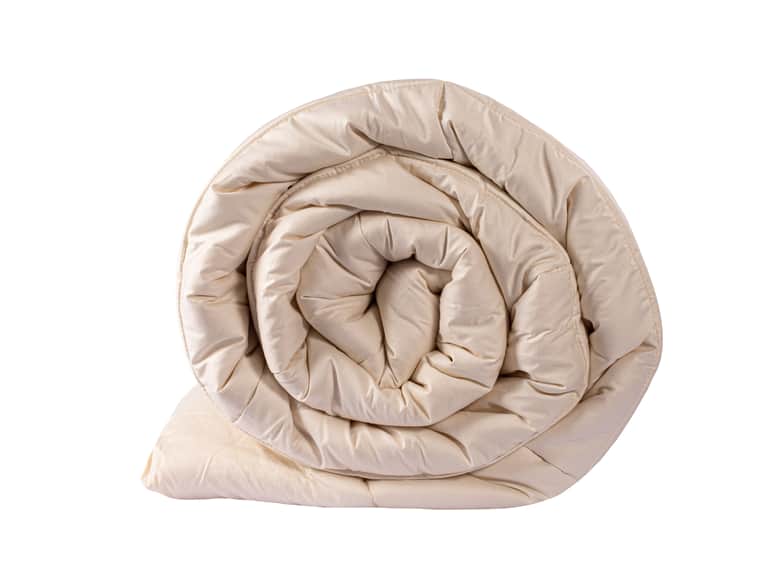 Bedding